
Most people think heart disease shows up suddenly—one day you feel fine, the next day there’s a heart attack. That’s not true in many cases. The heart often gives warning signals, sometimes quietly, sometimes repeatedly. The real danger is that people ignore those signs, blame them on acidity, stress, tiredness, or age, and delay medical help until the problem becomes serious.
In India, heart problems are rising rapidly among younger adults too. Long working hours, mental pressure, poor sleep, smoking, processed food, diabetes, high BP, and lack of physical activity are pushing heart health down every year. The good news? If you learn to recognize the early symptoms, you can take action early—and prevent major complications.
Why Catching Symptoms Early Matters
Heart disease doesn’t develop overnight. It builds slowly—through blocked arteries, weak heart muscles, or abnormal electrical rhythm. In the early stage, the body tries to manage, so symptoms may come and go. But as the condition worsens, those mild signs become more frequent and more severe.
Recognizing early symptoms helps you:
- Get diagnosis before damage becomes permanent
- Start treatment early (medicines, lifestyle changes)
- Reduce risk of heart attack or heart failure
- Improve quality of life long-term
Ignoring early signs doesn’t “make the problem go away.” It just gives the disease time to grow.
1) Chest Tightness, Pressure, or Discomfort
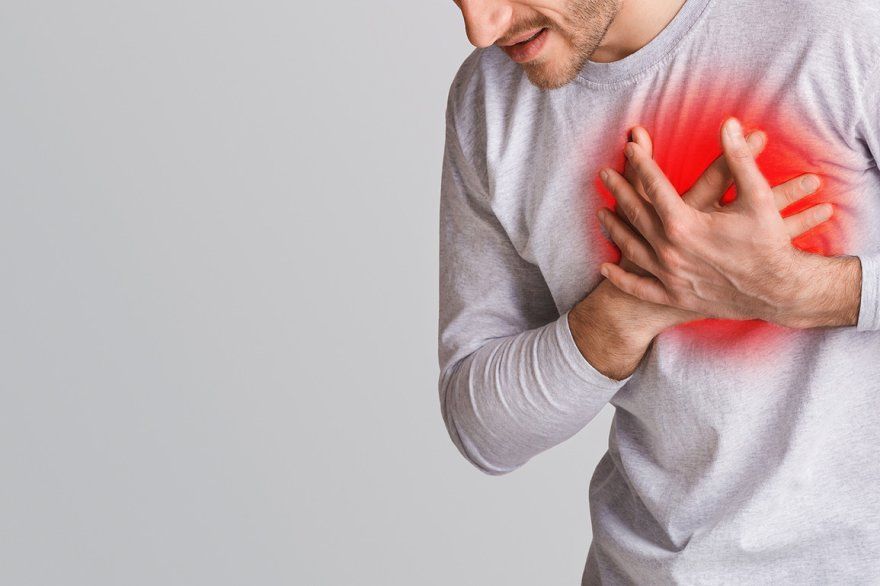
Chest pain is the most common warning sign—but it doesn’t always feel like sharp pain. Many patients describe it as:
- heaviness
- tightness
- pressure in the center of the chest
- burning sensation
It may last a few minutes and then disappear, especially after rest. That’s why people don’t take it seriously. But if chest discomfort happens repeatedly during activity such as walking, climbing stairs, or emotional stress, it should be treated as a warning.
Sometimes, pain also spreads to the left shoulder, arm, jaw, neck, or upper back.
2) Breathlessness During Routine Activity
Feeling breathless quickly is not “normal” just because you are busy or out of shape. If you get short of breath while doing things you could easily do before—like light walking or mild household work—it can be an early sign of heart issues.
Breathlessness may indicate:
- poor oxygen supply due to narrowed arteries
- weak heart pumping function
- fluid accumulation in lungs
If someone feels breathless even while resting or while lying down, it requires urgent medical attention.
3) Tiredness That Feels Unusual
Everyone gets tired. But heart-related fatigue is different. It tends to feel:
- sudden
- stronger than expected for the activity done
- persistent even after rest
Many people call it “low energy” or “weakness,” but it can be a warning sign that the heart is not supplying enough blood to meet the body’s needs. In women especially, severe fatigue may appear days or weeks before a major heart event.
4) Fast Heartbeat or Irregular Pulse
A healthy heart can beat faster during fear, stress, or exercise. That’s normal. The concern is when palpitations occur frequently without a clear reason, or the heartbeat feels abnormal, like:
- racing suddenly
- skipping beats
- fluttering sensation in the chest
If palpitations are accompanied by faintness, chest discomfort, or breathlessness, do not wait. Irregular rhythm can sometimes lead to serious complications.
5) Dizziness, Weakness, or Fainting
Dizziness is often blamed on low BP or weakness, but if it happens repeatedly—especially with activity—it can point to heart problems.
When the heart does not pump properly, the brain may not receive enough blood flow, leading to:
- light-headedness
- imbalance
- near-fainting episodes
Sudden fainting, especially without warning, is a serious sign that needs immediate evaluation.
6) Swelling in Feet or Ankles
Swelling in the lower legs, ankles, or feet is another sign many people ignore. But it may happen when the heart becomes weak and fluid starts building up in the body.
This swelling often gets worse in the evening and may come with:
- breathlessness
- heaviness in legs
- sudden weight gain
These signs can indicate early heart failure and should not be taken lightly.
7) Cold Sweating Without Heat or Exercise
Excessive sweating without an obvious cause is an important symptom, especially when it happens with weakness or chest discomfort.
Cold sweat may appear as:
- clammy skin
- sudden sweating while sitting or resting
- sweating along with nausea or breathlessness
Some people think it’s acidity or anxiety, but it can be linked to reduced blood flow to the heart.
8) Indigestion, Nausea, or Upper Stomach Pain
Not all heart problems show “classic chest pain.” Many patients—especially women and elderly individuals—may experience symptoms like:
- nausea
- vomiting
- stomach discomfort
- gas-like burning
Because these symptoms feel like digestive problems, patients take antacids and ignore the real issue. If indigestion-like pain keeps returning along with sweating, breathlessness, or weakness, it should be evaluated for heart disease.
9) Sleep Problems and Night Breathing Difficulty
Heart disease can also disturb sleep. Some warning signs include:
- waking up at night feeling short of breath
- chest heaviness at night
- inability to lie flat comfortably
Also, sleep apnea (snoring with breathing pauses) is strongly linked to high BP and heart disease risk. Poor sleep quality can silently worsen the heart condition.
Who Is More Likely to Develop Heart Disease?
You should be more careful if you have:
- high blood pressure
- diabetes
- cholesterol imbalance
- obesity
- smoking/tobacco habit
- family history of heart disease
- long-term stress + sedentary lifestyle
Heart disease is no longer limited to older people. Even young adults may develop serious problems due to lifestyle and metabolic conditions.
When Should You Visit a Cardiologist?
Visit a cardiologist if:
- symptoms happen repeatedly
- symptoms worsen during activity
- you have risk factors with any warning signs
- you are unsure whether symptoms are heart-related
Early tests like ECG, 2D Echo, stress testing, and blood work can catch problems early.
Conclusion
Heart disease rarely comes without hints. The body usually sends signals—but they are often ignored until it becomes an emergency. If you notice recurring chest discomfort, breathlessness, unusual fatigue, palpitations, dizziness, or swelling, do not delay. Early diagnosis and timely care can prevent serious heart events and help you live a long, healthy life.
Dr. Akshay Kashid
Consultant Cardiologist
Pune Cardiology Clinic, Balewadi, Pune, Maharashtra