

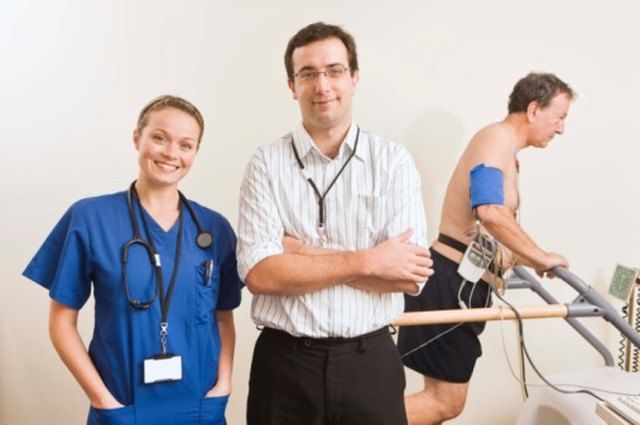
If you have ever experienced chest discomfort, shortness of breath while walking, or unexplained fatigue, your doctor may recommend a TMT Stress Test. Many patients feel nervous when they hear the word “stress test,” but the truth is simple: a TMT is a safe, controlled way to check how well your heart works when it is under effort.
TMT stands for Treadmill Test. It is commonly used in cardiology to detect early signs of reduced blood supply to the heart, evaluate chest pain, and assess overall heart fitness. This test is especially useful because some heart problems do not show up when you are resting—your heart may look normal on an ECG while sitting, but it may show changes when you walk or run.
Let’s understand the purpose, procedure, and who actually needs a TMT test.
What Is a TMT Stress Test?
A TMT Stress Test is a diagnostic test in which your heart is monitored while you walk on a treadmill. The speed and incline are gradually increased, making your heart work harder step by step.
During this process, the doctor observes:
- Heart rate response
- Blood pressure response
- ECG changes during exercise
- Symptoms such as chest pain, breathlessness, or dizziness
In short, the TMT helps evaluate whether your heart receives enough oxygen-rich blood during activity.
Purpose of a TMT Stress Test
A TMT is not done randomly. It is recommended when a doctor wants specific answers about your heart health. Common purposes include:
1. Detecting Blockages in Heart Arteries
One of the biggest uses of TMT is to detect coronary artery disease (CAD). If the arteries supplying blood to the heart are partially blocked, symptoms may appear during exertion.
2. Evaluating Chest Pain
Chest discomfort may happen due to gas, acidity, muscle strain, or heart disease. A stress test helps determine whether the pain is likely heart-related.
3. Checking Exercise Capacity
TMT helps assess heart fitness—how long a person can walk or run before symptoms start. This is useful for patients with breathlessness, weakness, or reduced stamina.
4. Monitoring Known Heart Patients
If someone already has heart disease, a TMT may be used to monitor disease progression and decide whether treatment needs changes.
5. Assessing Heart Rhythm Problems
Some abnormal heart rhythms (arrhythmias) occur only during physical effort. TMT helps detect these.
How the Procedure Is Done (Step-by-Step)
A TMT is done under medical supervision and usually takes 30–45 minutes (including preparation).
Here’s what happens:
Step 1: Preparation
- Your blood pressure and resting ECG are recorded.
- Small electrodes are attached to your chest to monitor ECG.
- A cuff is placed on your arm for blood pressure readings.
You will be asked about symptoms, past history, and current medicines.
Step 2: Walking on Treadmill
You begin walking at a slow pace. Every few minutes:
- Speed increases
- Incline (slope) increases
This increases heart workload gradually and safely.
Step 3: Continuous Monitoring
Throughout the test, your doctor monitors:
- ECG readings
- Heart rate
- Blood pressure
- Breathing pattern
- Any symptoms you feel
You should tell the team immediately if you experience:
- Chest pain
- Severe breathlessness
- Dizziness
- Leg cramps
- Excessive fatigue
Step 4: Stopping the Test
The test ends when:
- You reach your target heart rate
- You develop symptoms
- ECG shows concerning changes
- Or you become too tired to continue
Step 5: Recovery Phase
You will slow down and rest. ECG and blood pressure are monitored until they return to baseline.
Is a TMT Stress Test Painful or Risky?
A TMT is not painful. It is like brisk walking or light running. Most people experience normal tiredness.
TMT is generally safe, but since it pushes the heart to work harder, it must be performed in a clinic/hospital with trained staff and emergency support.
Serious complications are rare, but the test is not advised for certain high-risk patients unless strictly necessary.
Who Needs a TMT Stress Test?
A TMT is typically recommended for people who have symptoms or risk factors suggesting heart disease.
You may need a TMT if you have:
- Chest pain during walking or climbing stairs
- Shortness of breath on exertion
- Unexplained fatigue
- Palpitations during activity
- Dizziness while walking or exercising
You may also need it if you have risk factors like:
- High blood pressure
- Diabetes
- High cholesterol
- Smoking history
- Obesity
- Family history of heart disease
- High stress lifestyle
- Sedentary routine
Sometimes, TMT is also used for fitness assessment before starting an intense workout routine, especially in middle-aged individuals.
When TMT May Not Be Suitable
TMT may not be recommended if you have:
- Recent heart attack
- Severe chest pain at rest
- Severe heart failure
- Uncontrolled blood pressure
- Severe valve disease
- Acute infections or fever
Your cardiologist will decide whether TMT is safe, or if a different test (like stress echo or CT angiography) is better.
How to Prepare for a TMT Test
To ensure accurate results, follow these simple instructions:
- Wear comfortable clothes and sports shoes
- Avoid heavy meals 2–3 hours before
- Avoid tea/coffee/smoking before the test (as advised)
- Inform doctor about all medicines you take
- Do not stop medicines without doctor’s instruction
What Do the Results Mean?
TMT results are usually categorized as:
- Negative (no signs of reduced blood flow)
- Positive (suggestive of reduced blood flow/possible blockage)
- Inconclusive (test not completed or unclear changes)
A positive TMT does not always mean severe blockage, but it signals that further evaluation may be needed.
Conclusion
A TMT Stress Test is a simple and useful tool to check how your heart performs under physical stress. It plays an important role in detecting early coronary artery disease, evaluating chest pain, and assessing fitness and heart rhythm problems. Most importantly, it helps identify heart issues before they turn into emergencies.
If you have symptoms like chest discomfort or breathlessness—or risk factors such as diabetes, high BP, or smoking—getting a TMT at the right time can be a smart step toward preventing major heart complications.
Dr. Akshay Kashid
Pune Cardiology Clinic, Balewadi, Pune, Maharashtra