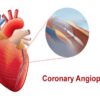


Hearing the term “cardiac catheterization” for the first time can feel overwhelming, especially if you’re not entirely sure what it involves. Dr. Akshay Kashid, an interventional cardiologist practicing in Balewadi-Baner, Pune, has performed over 1,000 of these procedures and believes that patient anxiety often comes down to simply not knowing what to expect. In this blog, Dr. Akshay Kashid walks through the entire process, from the initial referral to recovery, so patients across Pune can approach the procedure with confidence rather than fear.
What Is Cardiac Catheterization?
Cardiac catheterization is a diagnostic and sometimes therapeutic procedure that allows a cardiologist to examine the heart’s blood vessels and chambers directly. Dr. Akshay Kashid explains that a thin, flexible tube called a catheter is guided through a blood vessel, typically in the wrist or groin, up to the heart. Once in place, it allows the cardiologist to check for blockages, measure pressures within the heart, and, if needed, perform treatments like angioplasty in the same session.
In many cases, this procedure is the definitive way to confirm whether coronary artery disease is present and how severe it is — information that can’t always be captured accurately through non-invasive tests alone.
Why Might You Need One?
Dr. Akshay Kashid typically recommends cardiac catheterization for patients who have concerning symptoms such as persistent chest pain, breathlessness, or abnormal results on a stress test or ECG. It may also be recommended for patients recovering from a heart attack, or those with known heart disease who need a closer look at how their condition is progressing. In some cases, it’s used to evaluate heart valve function or other structural concerns.
Before the Procedure
Preparation for cardiac catheterization is usually straightforward. Dr. Akshay Kashid’s clinic guides patients through pre-procedure instructions, which typically include fasting for a few hours beforehand and temporarily adjusting certain medications, particularly blood thinners. Patients also undergo basic blood tests and, if not already done, an ECG to ensure they’re fit for the procedure. Dr. Akshay Kashid takes time during this stage to answer questions and explain exactly what will happen, which patients consistently say helps reduce pre-procedure anxiety.
During the Procedure
On the day of the procedure, Dr. Akshay Kashid begins by numbing the access site, usually the wrist, with local anesthesia. A mild sedative may also be given to help patients relax, though most remain fully awake and aware throughout. The catheter is then carefully guided through the blood vessel toward the heart under continuous X-ray guidance.
Once in position, a contrast dye is injected, allowing Dr. Akshay Kashid to clearly visualize the coronary arteries on screen and identify any blockages or abnormalities. If a significant blockage is found and treatment is appropriate, Dr. Akshay Kashid can often proceed directly to angioplasty in the same sitting, avoiding the need for a separate procedure later. The entire process, whether purely diagnostic or combined with treatment, typically takes between 30 minutes and a couple of hours.
What Does It Feel Like?
One of the most common questions Dr. Akshay Kashid hears from patients is whether the procedure is painful. In reality, most patients feel only a brief pinch during the local anesthesia injection, and little to nothing as the catheter moves through the blood vessels, since there are no pain receptors inside them. Some patients report a mild warm sensation when the contrast dye is injected, but this passes quickly.
After the Procedure
Once the catheterization is complete, the catheter is removed and the access site is closed and bandaged. Dr. Akshay Kashid’s team monitors patients for a few hours afterward to check vital signs and ensure there’s no bleeding or complications at the access site. Because Dr. Akshay Kashid frequently uses the wrist rather than the groin, many patients are able to sit up, walk, and even go home the same day, compared to longer observation periods often required with groin access.
Understanding Your Results
After the procedure, Dr. Akshay Kashid takes time to walk patients through the findings in plain language — explaining whether blockages were found, how severe they are, and what the recommended next steps look like, whether that’s medication, lifestyle changes, further intervention, or simply routine monitoring. This clear communication is something Dr. Akshay Kashid considers just as important as the technical execution of the procedure itself.
Is It Safe?
Cardiac catheterization is generally very safe, particularly when performed by an experienced specialist. Dr. Akshay Kashid’s extensive experience, combined with his DM in Cardiology with distinction from the Bombay Hospital Institute of Medical Sciences, Mumbai, and his role as a Consultant Cardiologist at Manipal Hospital, Pune, means patients benefit from both deep procedural expertise and access to hospital-level support if ever needed.
As with any invasive procedure, there are minor risks, such as bruising, mild discomfort at the access site, or, rarely, an allergic reaction to the contrast dye. Dr. Akshay Kashid screens patients beforehand for any known allergies or kidney concerns that could affect how the contrast dye is used, and adjusts the approach accordingly to keep risk as low as possible. Patients are also given clear instructions on what symptoms to watch for after going home, along with direct guidance on when to reach out to the clinic if anything feels off.
Book Your Consultation with Dr. Akshay Kashid
If your doctor has recommended cardiac catheterization, or if you have symptoms that warrant further investigation, Dr. Akshay Kashid’s clinic in Balewadi-Baner offers experienced, compassionate care every step of the way.
Dr. Akshay Kashid Heart Care Clinic
Office No. 301, 3rd Floor, V Business Center, S. No. 9/16/1 & 2, Laxmi Nagar, Balewadi Gaon, Balewadi, Pune, Maharashtra 411045
Phone: 070583 62823
Knowledge is the first step to easing anxiety. Schedule your consultation with Dr. Akshay Kashid today.