
When Do You Need a Pacemaker? Signs You Should Not Ignore
A heart beats in a steady rhythm to pump blood effectively throughout the body.. When the hearts electrical system does not work properly it can lead to irregular or slow heartbeats. In cases a pacemaker may be recommended to regulate the heart rhythm and prevent serious complications.
Understanding when you need a pacemaker and recognizing warning signs can help you seek timely treatment and avoid life-threatening situations.
What is a Pacemaker and How Does It Work
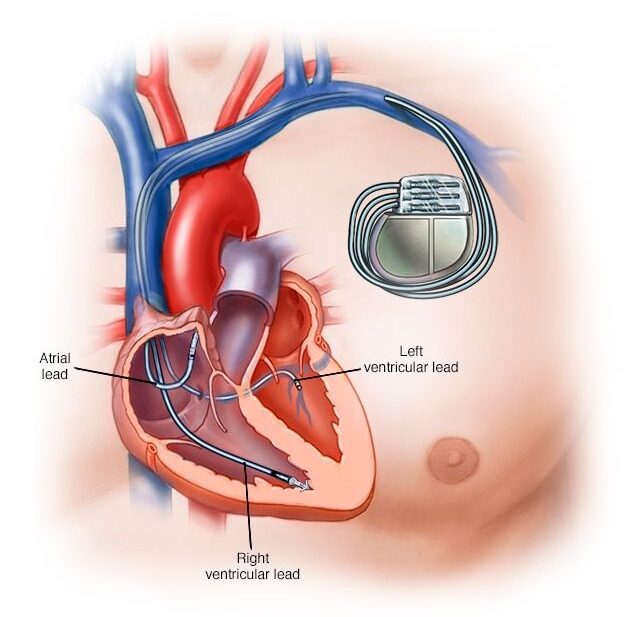
A pacemaker is a medical device implanted under the skin usually near the chest to help control abnormal heart rhythms. It sends signals to the heart to maintain a normal heartbeat when the heart beats too slowly or irregularly.
Pacemakers are commonly used in patients suffering from conditions like Arrhythmia, where the heart rhythm becomes abnormal and affects blood circulation. Pacemakers are used to help patients with heart rhythms.
When Do You Need a Pacemaker
A pacemaker is usually required when the heart is unable to maintain a rhythm on its own. This can happen due to aging, underlying heart disease or damage to the hearts system.
Doctors may recommend a pacemaker if a person experiences repeated episodes of heart rate, irregular heartbeat or fainting spells. It is also advised in cases where medications alone’re not effective in controlling heart rhythm disorders. A pacemaker is needed when the heart is not working properly.
Signs You Should Not Ignore
* Persistent Fatigue and Weakness: when the heart is not pumping efficiently the body may not receive oxygen-rich blood. This can cause tiredness and reduced energy levels even after adequate rest.
* Dizziness or Fainting Spells: dizziness or sudden fainting episodes may indicate that the brain is not getting enough blood supply due to an irregular heartbeat.
* Shortness of Breath: difficulty in breathing during activities or while resting can be a sign that the heart is struggling to maintain proper circulation.
* Slow or Irregular Heartbeat: a slow pulse or irregular heart rhythm is one of the most common indicators that a pacemaker may be needed.
* Chest Discomfort or Palpitations: some patients may feel sensations in the chest, such as fluttering or pounding which could be linked to abnormal heart rhythms. These are signs that you should not ignore.
Conditions That May Require a Pacemaker
Medical conditions increase the likelihood of needing a pacemaker. These include Bradycardia, where the heart beats slowly and Heart Block, where electrical signals are partially or completely blocked from reaching the heart muscles.
In some cases patients who have undergone heart surgery or suffered a heart attack may also require a pacemaker to stabilize their heart rhythm. A pacemaker may be needed for these conditions.
Diagnosis and Evaluation
Before recommending a pacemaker doctors perform an evaluation that includes tests such as electrocardiograms, Holter monitoring and other heart rhythm assessments.
These tests help identify abnormalities in the hearts activity and determine the severity of the condition. Based on the results the cardiologist decides whether a pacemaker is necessary and what type would be most suitable for the patient.
Life After Pacemaker Implantation
Living with a pacemaker is generally safe. Allows most patients to return to their normal lifestyle.
After implantation patients are advised to follow guidance attend regular check-ups and avoid activities that may interfere with the device. With care and monitoring a pacemaker can significantly improve quality of life and reduce the risk of serious heart complications.
When to Consult a Cardiologist
It is important to seek advice if you experience ongoing symptoms such as unexplained fatigue, dizziness, irregular heartbeat or shortness of breath.
Early diagnosis can help prevent complications and ensure treatment. Ignoring these warning signs may lead to severe heart conditions making early consultation essential for maintaining heart health. You should consult a cardiologist if you have these symptoms.
Do Not Ignore the Warning Signs
Recognizing the signs that indicate the need for a pacemaker can be life-saving.
Timely diagnosis and appropriate treatment not improve heart function but also enhance overall well-being. If you are experiencing symptoms related to heart rhythm consulting an experienced cardiologist is the best step, toward proper diagnosis and care.
Early intervention can help you lead an more active life. For cardiac consultation and advanced treatment options visit Pune Cardiology Clinic.
Name- Dr Akshay Kashid
Address: Office no. 301 3Rd Floor, V Business Center, S. No. 9/16/1 & 2 Laxmi Nagar, Balewadi Gaon, Balewadi, Pune, Maharashtra 411045.
Mobile, no– 7058362823