

If your doctor has just told you that you need an angioplasty, chances are your mind is racing with questions. Is it painful? How long does it take? Will I be awake? These are completely normal concerns, and you are not alone in feeling this way. Dr. Akshay Kashid, a Consultant Cardiologist at Manipal Hospital, Pune and an interventional cardiologist practicing in Balewadi-Baner, has walked thousands of patients through this exact procedure over the last decade. In this blog, he breaks down what actually happens during a coronary angioplasty, step by step, so you can walk into your appointment feeling informed rather than anxious.
Understanding the Basics: What Is a Coronary Angioplasty?
In simple terms, a coronary angioplasty is a procedure used to open up blocked or narrowed arteries that supply blood to the heart. Over time, fatty deposits called plaque can build up inside these arteries, restricting blood flow. When this happens, the heart muscle doesn’t get enough oxygen-rich blood, which can lead to chest pain, breathlessness, or in serious cases, a heart attack.
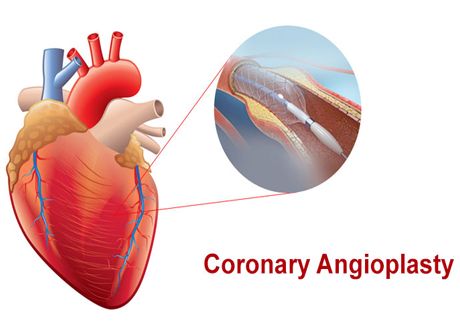
Dr. Akshay Kashid explains that angioplasty works by using a thin tube called a catheter to reach the blocked area and widen it, usually with the help of a small balloon and, in most cases, a stent to keep the artery open long-term. It sounds technical, but the procedure itself is far less intimidating than most patients expect.
Why Might Someone Need This Procedure?
Not everyone with heart disease requires angioplasty. Dr. Akshay Kashid typically recommends it for patients who have significant blockages confirmed through tests like an angiogram, especially if they are experiencing chest pain during exertion, have had a recent heart attack, or are at high risk of one. The decision is never taken lightly — it usually follows a detailed evaluation of the patient’s symptoms, test reports, and overall heart health.
Step-by-Step: What Happens During the Procedure
Here’s a simplified walkthrough of what patients can expect on the day of their angioplasty at Dr. Akshay Kashid’s clinic or at Manipal Hospital.
- Preparation: You’ll be asked to avoid food for a few hours beforehand. A small area, usually the wrist or occasionally the groin, is cleaned and numbed with local anesthesia. You remain awake throughout, though a mild sedative may be given to help you relax.
- Catheter insertion: A thin, flexible catheter is gently guided through a blood vessel, all the way up to the coronary arteries near the heart. This part sounds more dramatic than it feels — most patients report little to no discomfort.
- Locating the blockage: Using live X-ray imaging and a contrast dye, Dr. Akshay Kashid identifies the exact location and severity of the blockage. This is the same imaging technique used during a diagnostic angiogram.
- Balloon inflation: A tiny balloon at the tip of the catheter is inflated at the blocked site. This compresses the plaque against the artery wall, restoring space for blood to flow through.
- Stent placement: In most cases, a small mesh tube called a stent is placed at the site to keep the artery propped open. Modern drug-eluting stents also release medication over time to prevent the artery from narrowing again.
- Completion: Once blood flow is restored and confirmed through imaging, the catheter is carefully withdrawn, and the entry point is closed and bandaged.
The entire procedure typically takes anywhere between 30 minutes to a couple of hours, depending on the complexity of the blockage.
Why the Wrist Approach Matters
One thing Dr. Akshay Kashid is particularly known for is his expertise in radial artery access — performing angioplasty through the wrist rather than the groin. This technique has become the preferred method among experienced interventional cardiologists because it involves fewer complications, less bleeding, and a noticeably quicker recovery. Many patients undergoing radial angioplasty are able to sit up, walk around, and even go home the same day or the next morning.
What Happens After the Procedure?
Recovery is usually quick and manageable. Patients are monitored for a few hours to rule out complications, and most resume light activities within a day or two. Dr. Akshay Kashid emphasizes that carefully following post-procedure instructions — prescribed medication, dietary adjustments, and follow-up visits — plays a major role in long-term heart health.
It’s also worth noting that angioplasty treats the blockage, but it doesn’t cure the underlying condition that caused it. That’s why ongoing cardiac care, regular check-ups, and healthy lifestyle habits remain essential even after a successful procedure.
Is Angioplasty Safe?
Like any medical procedure, angioplasty carries some risk, but it is generally considered very safe when performed by an experienced interventional cardiologist. With over 1,000 cardiac catheterization procedures to his name and a DM in Cardiology with distinction from Bombay Hospital Institute of Medical Sciences, Mumbai, Dr. Akshay Kashid brings both the technical skill and clinical judgment needed to minimize risk and ensure the best possible outcome for each patient.
Choosing the Right Cardiologist Matters
Heart procedures can feel overwhelming, but having a cardiologist who takes the time to explain each step, answer your questions honestly, and prioritize your comfort makes a significant difference. This is the approach Dr. Akshay Kashid brings to every consultation — combining clinical precision with genuine patient care.
If you or a family member has been advised angioplasty or you simply want a second opinion on chest pain or heart health concerns, Dr. Akshay Kashid’s clinic in Balewadi-Baner is here to help. A timely conversation with a specialist can make all the difference between prevention and emergency.
Book Your Consultation Today
Dr. Akshay Kashid Heart Care Clinic
Office No. 301, 3rd Floor, V Business Center, S. No. 9/16/1 & 2, Laxmi Nagar, Balewadi Gaon, Balewadi, Pune, Maharashtra 411045
Phone: 70583 62823
Whether it’s a routine heart check-up or a concern about a possible blockage, don’t wait for symptoms to worsen. Reach out to Dr. Akshay Kashid’s clinic today and take a proactive step toward a healthier heart.