

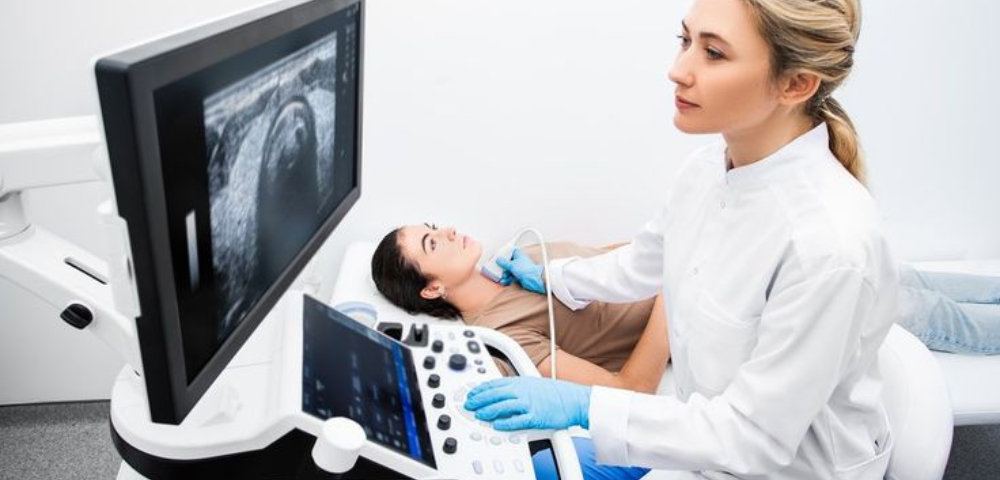
In assessing heart health, physicians use various diagnostic tests, and one of the most prevalent and significant is the 2D Echo, or 2D Echocardiogram. The 2D Echo is a non-invasive test that provides physicians with a detailed image of your heart’s structure and function, enabling them to identify and track many different types of heart conditions. If you’ve been told to have a 2D Echo, you might wonder what it is and what it entails. This blog will guide you through what a 2D Echo is, how it’s performed, and what the findings indicate about your heart health.
What is a 2D Echo?
A 2D Echocardiogram is a diagnostic test that employs ultrasound waves to produce two-dimensional images of the heart. These live images enable cardiologists to see the beating heart, its chambers, valves, and blood flow. Unlike X-rays or CT scans, 2D Echo does not involve radiation, so it is a painless and safe procedure.
This test is usually employed to:
- Measure the size and shape of the heart
- Check heart muscle movement
- Inspect the heart valves
- Scan fluid around the heart (pericardial effusion)
- Identify heart illnesses like cardiomyopathy, valvular illness, or heart defects at birth
How do they conduct a 2D Echo Test?
A 2D Echo is typically performed within a hospital or cardiology outpatient facility. Taking anywhere from 15 to 30 minutes to perform, this test proceeds according to the following steps:
Preparation: You might be requested to take off clothing above the waist and put on a gown. Electrodes are placed on your chest to monitor and record your heart’s electrical activity.
Gel Application: A gel is applied to your chest. The gel allows sound waves to conduct more effectively for improved imaging.
Transducer Movement: A small gadget referred to as a transducer is passed across the chest. It emits sound waves into the body, which rebound off heart structures and head back to the device.
Image Creation: Such sound waves are translated into pictures on a display screen in real time, providing an image of the beating heart and blood flow.
The procedure is not invasive and totally painless .No special preparation is needed, and you can return to your regular activities right after the test.
What Does a 2D Echo Report Reveal?
The 2D Echo reveals some important information about the health of your heart:
- Heart Size and Shape
The report can indicate whether any part of your heart is enlarged or misshapen—conditions that could indicate hypertension or heart failure.
- Heart Muscle Function
It assesses the functioning of the heart muscle. Low ejection fraction (percentage of blood being pumped out of the heart) can indicate weakened heart muscles or cardiomyopathy.
- Valve Function
It assesses whether the heart valves are opening and closing normally. Valve stenosis (narrowing) or regurgitation (leaking) can be identified.
- Blood Flow Abnormalities
By checking how blood flows through the chambers, physicians can find out if there are blood clots, narrowed arteries, or irregular heart rhythms.
- Pericardial Effusion
A fluid accumulation in and around the heart is easy to see, which will assist in recognizing infections or inflammation.
Why Would Your Physician Order a 2D Echo?
Your physician may order a 2D Echo for symptoms like:
- Chest pain
- Shortness of breath
- Irregular heartbeat
- Leg swelling
- Unexplained weakness
- High blood pressure
- A known heart murmur
It’s also used in regular monitoring in patients who have established heart disease or following heart surgery.
Types of Echocardiograms
Other than the standard 2D Echo (transthoracic), other types are:
Doppler Echocardiogram: Records the velocity and direction of blood movement.
Transesophageal Echo (TEE): More detailed visualization through the esophagus, particularly for complicated heart conditions.
Stress Echocardiogram: Performed after exercise or medication to see how the heart behaves under stress.
How to Read Your 2D Echo Report
Though your cardiologist will read the report, having an idea of the basics will be helpful:
Normal Ejection Fraction: 55% to 70%
Left Ventricular Hypertrophy: Thickening of heart muscles
Valve Problems: The use of words like regurgitation or stenosis to describe valve problems
Chamber Size: Enlargement could imply long-standing high blood pressure or cardiomyopathy
Keep in mind that any unusual result does not necessarily equate to a serious issue. Your physician will interpret the results in relation to your symptoms and medical history.
Conclusion
A 2D Echocardiogram is a valuable, safe, and non-invasive test that helps doctors gain crucial insights into your heart’s structure and function. Early detection of heart issues through tests like 2D Echo can lead to timely treatment and better outcomes. If you’ve been advised to undergo this test, rest assured it’s a simple but powerful tool for protecting your heart health.
For professional advice and proper interpretation of your heart imaging reports, visit Dr. Akshay Kashid, a cardiologist expert in Balewadi, Baner, Pune. With empathetic care and state-of-the-art diagnostics, he puts your heart in safe hands.