
Heart disease is one of the leading causes of death worldwide, and early diagnosis can make a significant difference in preventing serious complications. One of the widely used tools for evaluating heart function during physical activity is the TMT test, also known as the Treadmill Test or Exercise Stress Test. If your doctor has recommended a TMT, understanding its purpose, process, and significance can help ease your concerns and encourage timely action.
What is a TMT Test?
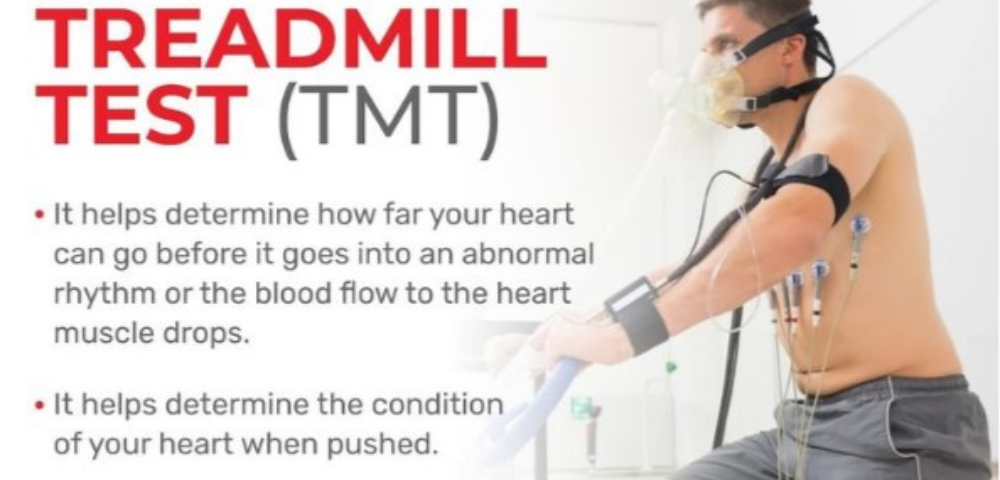
A TMT (Treadmill Test) is a non-invasive diagnostic procedure that evaluates how your heart performs when it’s working harder—typically during exercise. The test is designed to detect coronary artery disease, identify irregular heart rhythms, and assess overall cardiovascular fitness.
During the test, you’ll walk on a treadmill while your heart rate, blood pressure, and ECG (electrocardiogram) readings are continuously monitored. As the intensity of the exercise gradually increases, doctors observe how your heart responds under stress.
Why is a TMT Test Done?
Your cardiologist may suggest a TMT (Treadmill Test) for several important reasons:
1. To Detect Blocked Arteries (Coronary Artery Disease)
A key purpose of the TMT is to detect reduced blood flow to the heart muscle, which may be caused by narrowed or blocked coronary arteries. During exercise, the heart needs more oxygen-rich blood, and if there’s a blockage, symptoms like chest pain or abnormal ECG changes may appear.
- To Evaluate Exercise Tolerance
If you’ve been experiencing shortness of breath, fatigue, or chest discomfort, the TMT can help determine how well your heart handles physical activity and how much exercise you can safely do.
- To Monitor Progress After Treatment
If you’ve had a bypass surgery, angioplasty, or are undergoing treatment for a heart condition, a TMT can help evaluate your recovery and measure how effective the treatment has been.
- To Identify Arrhythmias
Sometimes, irregular heartbeats only occur during physical activity. A TMT can reveal such arrhythmias that may not be seen at rest.
Who Should Take a TMT?
Your doctor might advise a TMT if you:
- Experience chest pain or tightness
- Have a family history of heart disease
- If you have high cholesterol, high blood pressure, or diabetes
- Are overweight or lead a sedentary lifestyle
- Are starting a new fitness program
- Need cardiac clearance before surgery
However, it’s not suitable for everyone. Patients with severe heart conditions, mobility issues, or very high blood pressure may require other forms of stress testing, such as a pharmacological stress test or an imaging-based test.
How is the TMT Test Performed?
The whole procedure typically takes around 30 to 45 minutes:
- Preparation: Preparation: Wear comfortable clothes and remove any metal accessories. Small electrodes will be placed on your chest to monitor your ECG.
- Baseline Measurements: Your resting ECG, blood pressure, and heart rate are recorded before the test begins.
- Walking on the Treadmill: You’ll start walking on a treadmill at a slow pace. Gradually, the speed and incline will increase every few minutes.
- Monitoring: Throughout the test, your ECG, heart rate, and blood pressure are closely monitored. If you experience chest pain, dizziness, or excessive fatigue, the test is stopped.
- Recovery Phase: After the test, you’ll be monitored for a few more minutes until your vital signs return to normal.
Understanding Your TMT Results
After the test, your cardiologist will review the results, which typically include:
- ECG patterns: Any changes during exercise may indicate reduced blood supply to the heart.
- Heart rate response: A normal heart rate increase and recovery are good signs.
- Blood pressure behavior: Abnormal blood pressure response can be a red flag.
- Symptoms: The appearance of chest pain, breathlessness, or arrhythmias during the test is significant.
Your doctor may classify the results as positive, negative, or inconclusive based on findings. A positive TMT suggests the possibility of heart disease and may lead to further testing like angiography, 2D Echo, or CT coronary scan.
How to Prepare for a TMT Test
- Avoid eating heavy meals 2-3 hours before the test
- Wear comfortable shoes and loose clothing
- Carry a list of current medications
- Inform your doctor if you have any medical conditions or are pregnant
Some medications may need to be adjusted or stopped before the test—always follow your doctor’s advice.
Conclusion
The TMT test is a valuable diagnostic tool for evaluating your heart’s performance under stress. It provides critical information that can help detect early signs of heart disease, assess your fitness level, and guide treatment decisions. As heart health is a lifelong commitment, undergoing timely tests like the TMT can play a crucial role in keeping your heart strong and healthy.
If you’re looking for a trustworthy expert to guide you through your heart health journey, consult Dr. Akshay Kashid, a leading cardiologist specialist in Balewadi, Baner, Pune. With his expertise and compassionate approach, you can be assured of accurate diagnosis and effective care.