

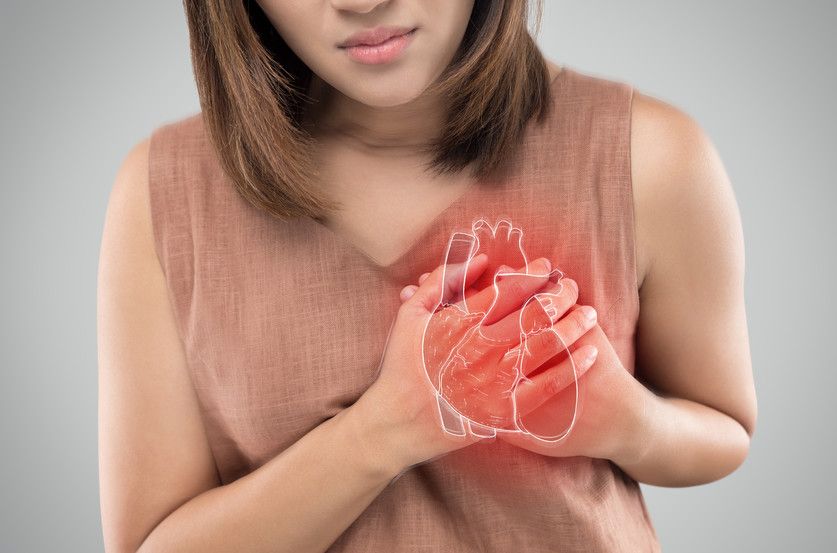
Heart disease is often thought of as a condition that primarily affects men, but that’s a misconception. In reality, cardiovascular disease is a leading cause of death among women worldwide, and Pune is no exception. What makes it more concerning is that women often have unique symptoms and risk factors that can delay diagnosis. According to Dr. Akshay Kashid, a trusted cardiologist in Balewadi, Pune, understanding these risks and staying proactive is key to protecting your heart.
Why Women’s Hearts Are Different
A woman’s heart isn’t just a smaller version of a man’s—it works differently and reacts differently to stress. Certain conditions, like microvascular disease (affecting the smaller arteries), are more common in women.
Symptoms can also differ from the classic chest pain often associated with heart attacks. Women may experience fatigue, shortness of breath, nausea, jaw pain, or discomfort in the upper back or neck. These subtle signs can be easy to miss, which is why early detection is so important.
Risk Factors Women Should Know About
Being aware of the risk factors unique to women can help prevent heart disease. Some of the most important include:
- Hormonal Changes: Menopause lowers estrogen levels, which can affect blood vessels and cholesterol, increasing the risk of heart problems.
- Pregnancy-Related Complications: Conditions like preeclampsia, gestational diabetes, or high blood pressure during pregnancy can have long-term effects on the heart.
- Lifestyle Choices: Sedentary habits, poor diet, smoking, and chronic stress all contribute to heart disease.
- Family History: Genetics matter, especially if close female relatives have heart disease.
- Other Health Conditions: Diabetes, high blood pressure, and high cholesterol raise the risk further.
Dr. Akshay Kashid emphasizes that regular screenings and preventive checkups are vital, particularly after pregnancy or menopause.
Warning Signs No Woman Should Ignore
Many women dismiss early warning signs as stress or fatigue. Yet recognizing them early can save lives. Watch out for:
- Unusual tiredness or weakness
- Shortness of breath with light activity
- Dizziness or fainting
- Pain in the jaw, neck, or upper back
- Nausea or indigestion
- Palpitations or irregular heartbeat
If any of these occur, seek medical attention immediately. Early evaluation can prevent complications and improve outcomes.
Lifestyle Changes for a Healthy Heart
While some risk factors can’t be changed, lifestyle choices play a huge role in protecting your heart. Women can take these steps:
Eat Heart-Healthy Foods
Avoid processed foods, sugary drinks, and trans fats.
Stay Active
Aim for at least 30 minutes of exercise most days. Walking, yoga, swimming, or even dancing can improve heart function.
Manage Stress
Stress can strain your heart. Try meditation, deep breathing, or mindfulness exercises to stay calm and centered.
Avoid Smoking and Limit Alcohol
Both habits significantly increase heart disease risk.
Routine Health Checkups
Regular monitoring of blood pressure, cholesterol, blood sugar, and ECGs helps catch problems early.
Heart Health Challenges for Women in Pune
Busy urban lifestyles, especially in areas like Balewadi, often involve long work hours, stress, and irregular eating habits. Women juggling careers, family, and personal life may neglect their own health. Awareness and preventive care are essential.
Dr. Akshay Kashid advises women to take proactive steps: understand personal risk factors, recognize symptoms early, and adopt heart-healthy habits.
When to See a Cardiologist
Consult a cardiologist if you notice:
- Persistent fatigue
- Shortness of breath with minimal exertion
- Dizziness or fainting
- Chest, jaw, or neck discomfort
- Irregular heartbeat
A trusted cardiologist in Balewadi, Pune can create a personalized plan, recommend tests, and guide you on lifestyle changes to protect your heart.
Conclusion
Heart disease is not just a man’s problem. Women are equally at risk, often with subtler symptoms that can go unnoticed. Recognizing risk factors, paying attention to early warning signs, and making lifestyle adjustments are crucial steps in prevention.
For women in Pune, especially those balancing busy work and family schedules, taking proactive care of your heart can significantly reduce the risk of serious cardiovascular events. Dr. Akshay Kashid stresses that early detection, regular screenings, and a heart-healthy lifestyle are the most effective ways to ensure long-term heart health. By prioritizing your heart today, you invest in a stronger, healthier tomorrow.