

The PowerPoint deck for the Q3 regional operations review was finally complete, but forty-four-year-old Sameer could barely find the energy to close his laptop. As a senior engineering manager at a high-velocity enterprise in Baner, a 70-hour workweek was his baseline. For the past three months, he had been operating under a cloud of profound, unrelenting exhaustion. Getting out of bed felt like lifting lead, his focus was fractured, and stepping up the short flight of stairs to his third-floor office left him uncharacteristically hollowed out.
Sameer assumed he knew the diagnosis. It was the classic, textbook corporate burnout he had seen dozens of his peers navigate—a byproduct of chronic overwork, erratic sleep, and endless corporate deadlines. He planned to push through until the upcoming long weekend, believing a few days of total disconnect would fully reboot his system.
What Sameer failed to consider was a much more urgent physiological reality: his profound exhaustion wasn’t originating in his mind. It was the primary warning signal of a failing myocardial pump that was no longer delivering adequate oxygenated blood to his vital organs.
For high-stress managers and corporate leaders across Pune and the PCMC tech corridors, blurring the line between psychological burnout and advanced cardiovascular fatigue is an incredibly common—and dangerous—reflex. While the corporate ecosystem frequently normalizes chronic exhaustion, ignoring the specific structural clues of your fatigue can mask early-stage ischemia or heart failure until it escalates into a clinical crisis.
________________________________________
The Root Causes: Mental Overload vs. Failing Delivery
To protect your health, you must look past the general feeling of being tired and understand the two completely different mechanisms that drive these states.
Corporate Burnout is a psychological and neuroendocrine phenomenon. When you manage high-stakes projects under constant pressure, your brain keeps your adrenal glands locked in a state of chronic overactivation, continuously secreting cortisol and adrenaline. Over months, this creates “burnout”—a state of systemic nervous exhaustion where your brain downregulates its energy pathways, leading to emotional depletion, brain fog, and a deep desire to withdraw from work. Crucially, however, your muscles and organs remain structurally capable of receiving oxygen; the issue is primarily a lack of central neurological drive.
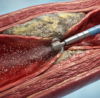
Cardiovascular Fatigue, on the other hand, is a mechanical and structural delivery failure. When your coronary arteries are quietly narrowing due to plaque buildup (ischemia), or when your heart muscle has become too stiff or weak to pump efficiently (heart failure), the heart can no longer maintain an optimal cardiac output.
When you attempt any form of physical activity, your muscles demand an immediate surge of oxygenated blood. If your heart cannot meet that demand, your body instantly shifts into survival mode:
• Vascular Shunting: Your circulatory system constricts blood flow to your limbs and non-essential muscles, prioritizing your brain and lungs instead.
• Rapid Cellular Fatigue: Starved of oxygen, your leg and arm muscles are forced to operate through anaerobic pathways, producing a rapid buildup of metabolic waste that manifests as immediate physical weakness and exhaustion.
________________________________________
Decoupling the Symptoms: How to Identify True Cardiac Fatigue
While psychological burnout and cardiac strain can look identical when you are sitting quietly at your desk, they behave completely differently the moment you introduce physical exertion or changes in posture. Use this clinical framework to audit your exhaustion:
The Exertion Test
• Burnout: If your exhaustion is entirely mental, going for a light evening walk around a Balewadi residential layout might feel unappealing, but your body can physically perform it without distress. You do not gasp for air or experience muscle failure after walking 200 meters.
• Cardiac Fatigue: Your exhaustion is directly tied to movement. If walking up a single flight of stairs or carrying a laptop bag across a parking bay causes an immediate, uncharacteristic heavy fatigue in your limbs and forces you to pause to catch your breath, the root cause is likely vascular or myocardial.
The Postural and Fluid Clues
• Burnout: Your physical structure remains stable whether you are sitting, standing, or lying down. Your breathing patterns do not change based on your body position.
• Cardiac Fatigue: Look for signs of hidden fluid accumulation. If you notice that your formal shoes are feeling unusually tight around your ankles by evening (peripheral edema), or if you experience a sudden, suffocating shortness of breath the moment you lie flat on your back at night (orthopnea), your heart muscle may be struggling to manage fluid circulation.
The Location of the Discomfort
• Burnout: Tension is typically generalized, manifesting as a dull tension headache across your temples or tight, knotted muscles across your upper neck and shoulders.
• Cardiac Fatigue: The discomfort is centered over your chest cavity. Ischemia often presents as a subtle, vague heaviness, tightness, or a squeezing sensation behind the breastbone during moments of physical effort or high emotional stress, occasionally radiating down your left arm or into your jawline.
________________________________________
Precision Diagnostics at Dr. Akshay Kashid’s Heart Care Clinic
You should never have to guess whether your exhaustion is a sign of a demanding job or a serious underlying health issue. Overcoming cardiac fatigue requires shifting away from generic stress-management advice and relying on precise, objective medical data.
At the Dr. Akshay Kashid Heart Care Clinic in Balewadi-Baner, Pune, a dedicated diagnostic protocol helps high-stress professionals identify the root cause of their fatigue accurately:
• Exertion Testing (TMT Screening): If you are unsure whether your fatigue is physical or mental, Dr. Kashid conducts a controlled Stress Test In Pune. By tracking your heart’s electrical stability and blood pressure variations while you walk on a treadmill, the clinic can instantly expose early signs of ischemia that remain completely invisible while you are resting at a desk.
• Electrical Baseline Assessments: High corporate stress paired with lack of sleep can disturb your heart’s natural rhythm. The clinic provides preventative ECG Test In Pune screenings alongside extended Holter monitoring to identify silent rhythm variations before they manifest as severe physical exhaustion.
• Myocardial Structural Imaging (2D Echo): To rule out hidden heart failure or muscle stiffening, Dr. Kashid uses advanced 2D Echocardiography to visually evaluate your heart’s pumping efficiency (ejection fraction) and valve function, ensuring your physical structure is fully capable of supporting your daily workload.
• Comprehensive Vascular Management: High-stress managers frequently manage undiagnosed metabolic risks. Dr. Kashid integrates specialized High Blood Pressure Treatment In Pune and targeted Cholesterol Treatment In Pune to reduce the mechanical strain on your blood vessels, restoring your body’s natural energy and vitality.
________________________________________
Conclusion: Give Your Heart the Right Attention
Your dedication to your career, your team, and your operational goals is commendable, but your body’s primary engine cannot run on sheer willpower alone. Chronic exhaustion shouldn’t be accepted as a normal consequence of professional growth. If your daily routines are leaving you physically breathless, or if a short walk feels like an exhausting challenge, listen to what your body is trying to tell you. Investigating your symptoms under professional guidance ensures you can protect your long-term health while continuing to pursue your professional ambitions safely.
If you are a corporate manager managing high stress and experiencing a level of fatigue that a good night’s sleep simply cannot fix, stop dismissing it as normal burnout.
To evaluate your cardiovascular baseline or build a personalized health management routine, schedule a medical consultation at the Dr. Akshay Kashid Heart Care Clinic. Reach out directly via phone at 07058362823 or visit the clinic at Office no. 301, 3rd Floor, V Business Center, S. no. 9/16/1 & 2, Near Lakshmi-Mata Mandir, Balewadi-Baner, Pune, Maharashtra 411045. Make sure the engine driving your day is running smoothly.