

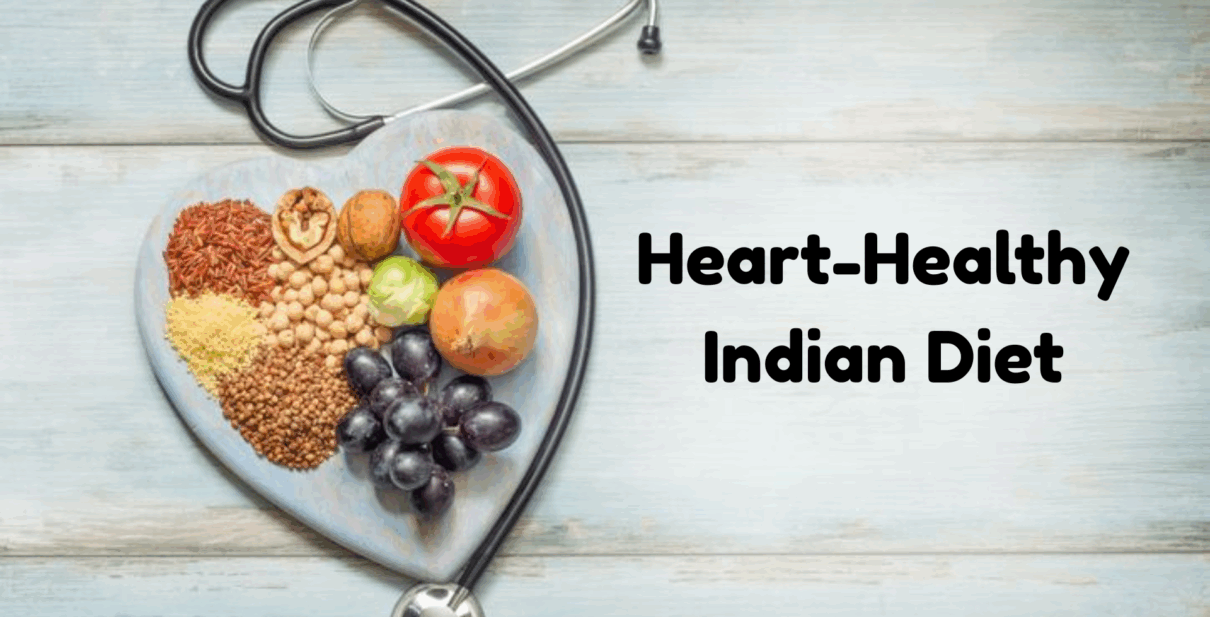
Your diet is central to maintaining a healthy heart. Though genetics and lifestyle choices such as physical exercise and stress levels also play a part, what you consume daily directly influences your blood pressure, levels of cholesterol, weight, and risk of heart disease.
The good news? You don’t need to quit Indian food to save your heart — you just need to make healthy choices. In this blog, Dr. Akshay Kashid of Pune Cardiology Clinic tells you what to add and what to skip in a heart-friendly Indian diet.
Best Indian Foods That Are Heart-Friendly
Whole Grains (Brown Rice, Millets, Oats, Whole Wheat Roti)
Whole grains are high in fiber, which maintains cholesterol levels and ensures your digestive system is healthy. Replace polished white rice with brown rice, jowar, bajra, or oats.
Pulses and Legumes (Lentils, Chickpeas, Kidney Beans)
Dal, chana, and rajma are high in protein and fiber, and low in fat. Their inclusion in your diet aids in heart health and the regulation of blood sugar levels.
Fresh Vegetables (Leafy Greens, Carrots, Tomatoes, Beets)
Vegetables are rich in antioxidants, fiber, and potassium that reduce blood pressure. 2-3 servings of vegetables daily are ideal, lightly sautéed or steamed.
Fruits (Apples, Pomegranates, Bananas, Berries, Papaya)
Loaded with natural sugars and vitamins, fruits make the perfect substitute for sweet snacks. Pomegranates and berries contain heart-defending antioxidants.
Nuts and Seeds (Almonds, Walnuts, Flaxseeds, Chia Seeds)
A small handful of unsalted nuts daily provides healthy fats, omega-3s, and magnesium, which support healthy arteries and lower inflammation.
Healthy Oils (Mustard Oil, Groundnut Oil, Olive Oil in moderation)
Replace butter and ghee with heart-friendly oils that are high in monounsaturated fats. Use sparingly and avoid reheating oil multiple times.
Spices with Heart Benefits (Turmeric, Garlic, Ginger, Fenugreek)
These ancient spices not only add flavor but also alleviate inflammation, balance cholesterol, and promote circulation.
Avoid or Limit the Following Foods for a Healthy Heart
Refined Grains (White Rice, Maida, White Bread)
They are high in glycemic index and fiber-free. With time, they can cause weight gain and an enhanced risk of diabetes and heart disease.
Deep-Fried Snacks (Samosas, Pakoras, Chakli, Namkeen)
Common but unhealthy, these foods contain high levels of trans fats and increase LDL (bad cholesterol) levels quite a bit.
Too Much Salt (Pickles, Papads, Processed Foods)
Increased blood pressure due to too much salt is a leading risk factor for heart attack and stroke. Restrict salty foods and processed foods.
Foods and Drinks with Added Sugars (Sweets, Colas, Sweetened Tea/Coffee)
Indian sweets and sweetened beverages promote weight gain, insulin resistance, and triglyceride storage — all detrimental to your heart.
Full-Fat Dairy (Malai, Butter, Cream, Full-Fat Paneer)
Select low-fat milk and curd. Conserve butter and ghee in cooking.
Red and Processed Meats (Sausages, Mutton, Bacon)
They are rich in saturated fats and sodium. If you consume non-veg, have lean meat like skinless chicken or grilled fish.
Alcohol and Tobacco
Both raise the risk of high blood pressure, abnormal heartbeat, and heart failure. Conserve alcohol and avoid tobacco completely.
Useful Tips for an Indian Heart-Healthy Meal Plan
- Choose boiling, steaming, grilling, or roasting over frying.
- Include a bowl of salad or fruits in each meal.
- Control portion size consuming excess even of healthy foods can cause weight gain.
- Drink plain water, coconut water, or buttermilk to stay hydrated.
- Have a meal plan in place to prevent unhealthy, impulsive eating.
When to Consult a Cardiologist
If you’re suffering from high blood pressure, diabetes, obesity, or having a history of heart disease within your family, it is very important to have your heart screened regularly. A healthy diet is just one part of the equation — exercise, stress management, and proper medical advice also have an important role to play.
Dr. Akshay Kashid of Pune Cardiology Clinic provides customized risk assessments for heart disease and dietary advice to suit Indian lifestyles.
Conclusion
Healthy eating does not have to come at the expense of your favorite Indian foods — it just means changing them so that they’re better for your heart. A healthy Indian diet, rich in whole grain foods, vegetables, fruits, and healthy oils, can help you live longer and healthier.
If you don’t know where to begin, we can assist you.