
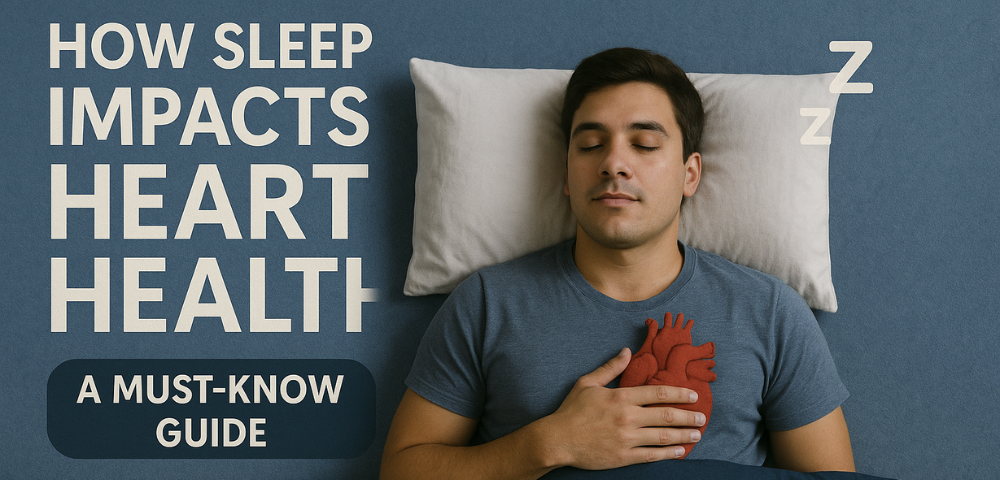
When we think about keeping our heart healthy, we often focus on diet, exercise, and managing stress. However, one key factor that many people overlook is sleep. Quality sleep plays a vital role in keeping your heart functioning efficiently and reducing the risk of various cardiovascular conditions.
According to Dr. Akshay Kashid, a leading cardiologist in Baner and Balewadi, Pune, getting adequate, restful sleep is one of the most effective ways to support overall heart health. Let’s understand how sleep and heart health are closely linked.
Why Is Sleep Important for Heart Health?
Sleep is more than just rest—it’s a period when your body goes into repair mode. During deep sleep, your heart rate slows down, and blood pressure drops, allowing your cardiovascular system to relax and recover.
Additionally, sleep helps maintain hormonal balance, including hormones responsible for stress management, appetite control, and blood sugar regulation. Disturbed or inadequate sleep can disrupt these processes and lead to heart-related complications over time.
Consequences of Poor Sleep on the Heart
Lack of sleep doesn’t just make you feel tired—it has long-term effects on your heart. Here’s how poor sleep can negatively affect your cardiovascular health:
- Elevated Blood Pressure
Sleep allows your blood pressure to drop naturally at night. If you’re not sleeping enough, this dipping doesn’t happen, increasing your risk of chronic hypertension, a leading cause of heart disease and stroke.
- Weight Gain and Obesity
Inadequate sleep interferes with hunger-regulating hormones such as ghrelin and leptin, making you more prone to overeating and gaining weight. Obesity is a significant risk factor for several heart conditions, including coronary artery disease.
- Increased Risk of Type 2 Diabetes
Consistently poor sleep affects your body’s ability to process glucose, leading to insulin resistance. This not only raises the chances of developing diabetes but also contributes to heart complications.
- Greater Likelihood of Heart Attack and Stroke
Studies have found that people with ongoing sleep disturbances have a higher risk of experiencing heart attacks and strokes, making sleep a critical component in heart disease prevention.
How Much Sleep Do Adults Need?
Most adults need between 7 to 9 hours of quality sleep per night. Both shorter and excessively long sleep durations have been linked with an increased risk of cardiovascular issues.
However, simply spending time in bed isn’t enough. The quality of sleep—how deeply and restfully you sleep—also plays an essential role in your heart’s well-being.
Signs Your Sleep May Be Affecting Your Heart
Be aware of the following signs, which may suggest that your sleep quality is poor and affecting your heart health:
- Constant fatigue despite sleeping for long hours
- Trouble focusing during the day
- Mood swings or irritability
- Loud snoring or gasping for air during sleep
- Frequent awakenings at night
If these symptoms persist, it’s wise to speak to a healthcare provider.
Tips for Improving Sleep and Supporting Your Heart
Here are some effective ways to build better sleep habits, also known as sleep hygiene:
- Stick to a consistent sleep-wake schedule, even on weekends
- Reduce exposure to screens (phones, TVs, laptops) an hour before bedtime
- Avoid caffeine, alcohol, and heavy meals close to bedtime
- Keep your bedroom dark, cool, and quiet
- Practice relaxation techniques such as meditation or deep breathing
These small changes can significantly improve both your sleep quality and heart health over time.
When to Seek Medical Attention
Sometimes, sleep issues go beyond lifestyle and need professional intervention. Conditions like obstructive sleep apnea, where breathing stops and starts during sleep, are directly linked to heart problems.
If you snore loudly, feel exhausted during the day, or wake up gasping for air, it’s crucial to get evaluated. Dr. Akshay Kashid, with his expertise in cardiovascular care, can guide you in identifying whether your heart health is being affected by sleep disorders and provide tailored treatment solutions.
Summary
Sleep is not just essential for rest—it is a powerful protector of your heart. Prioritizing good sleep habits can help regulate blood pressure, manage stress, prevent weight gain, and reduce your risk of chronic heart disease.
If you’re concerned about how your sleep may be affecting your heart, or if you’re experiencing symptoms such as fatigue or snoring, don’t ignore them. Dr. Akshay Kashid, a trusted cardiologist in Baner and Balewadi, Pune, offers personalized heart health evaluations and evidence-based care to help you lead a heart-healthy life.