

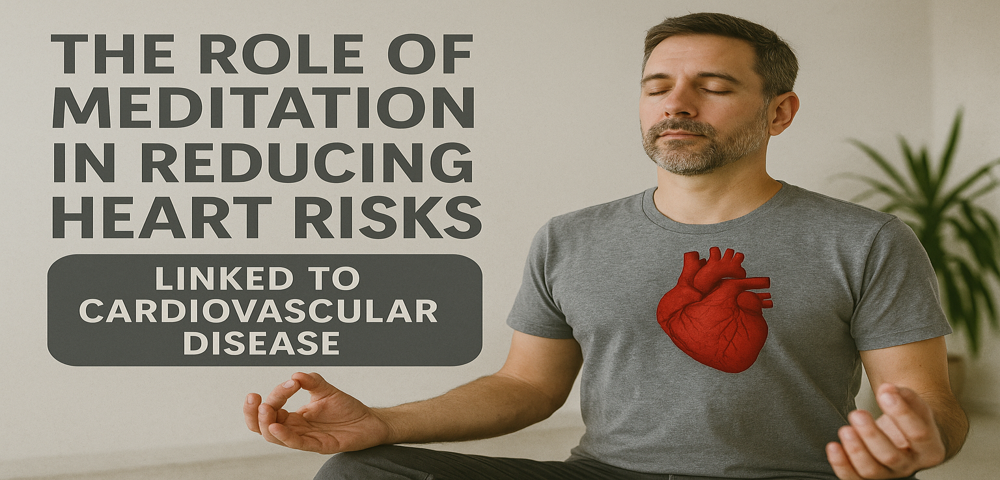
In today’s fast-paced world, chronic stress has become an unavoidable part of daily life—and unfortunately, it’s one of the major risk factors contributing to heart disease. Whether it stems from professional pressures, personal challenges, or environmental triggers, stress takes a toll on your heart over time.
While there are many ways to manage stress, meditation has emerged as one of the most powerful and natural approaches to supporting heart health. Widely recognized for its ability to calm the mind, meditation also offers measurable benefits for the cardiovascular system.
How Does Stress Affect the Heart?
When you’re under stress, your body releases hormones like cortisol and adrenaline. These chemicals prepare your body for a “fight or flight” response, increasing heart rate, blood pressure, and inflammation. Over time, if stress becomes a constant companion, these changes can damage the heart and blood vessels.
Chronic stress can lead to:
- High Blood Pressure (Hypertension): Prolonged stress can cause sustained high blood pressure, increasing the risk of heart attacks, strokes, and kidney disease.
- Tachycardia (Rapid Heart Rate): A faster heart rate puts continuous strain on the heart, weakening it over time.
- Inflammation in Arteries: Long-term stress contributes to arterial inflammation, raising the risk of atherosclerosis (narrowing of the arteries), a key factor in heart disease.
This is where meditation can make a significant difference.
How Meditation Supports Heart Health
Meditation is a mind-body practice that promotes relaxation and reduces stress. Regular practice can lead to improvements in several key areas related to cardiovascular health.
- Lowers Stress Hormones
Meditation helps calm the mind, lowering cortisol levels and improving your body’s stress response. A reduction in these hormones helps regulate blood pressure, heartbeat, and overall emotional health—ultimately easing the burden on your heart.
- Reduces Blood Pressure
Studies show that practices like mindfulness meditation and deep breathing activate the parasympathetic nervous system—the body’s natural “rest and digest” mechanism. This lowers blood pressure and reduces strain on the heart and blood vessels.
- Improves Heart Rate Variability (HRV)
HRV refers to the variation in time between heartbeats. A higher HRV is a sign of a healthy, resilient heart. Meditation has been found to enhance HRV, indicating better autonomic control over heart function.
- Decreases Inflammation
Inflammation is a common contributor to heart disease. Regular meditation lowers markers of inflammation in the body, which in turn helps reduce the risk of plaque buildup in the arteries and other complications.
- Enhances Overall Well-being
Meditation encourages emotional stability, mental clarity, and a greater sense of well-being. These benefits often lead to healthier lifestyle habits like regular exercise, proper diet, and better sleep—all essential for heart health.
Best Meditation Techniques for Heart Health
There are several meditation styles that can be especially effective in promoting cardiovascular wellness:
- Mindfulness Meditation: Focuses on staying present and aware of your thoughts, emotions, and sensations without judgment. This awareness helps reduce reactivity and stress.
- Deep Breathing (Pranayama): Controlled breathing calms the nervous system and slows the heart rate. Practicing just 10 minutes a day can significantly lower blood pressure.
- Guided Meditation: Led by an expert or audio recording, this form is excellent for beginners and helps maintain consistency.
- Loving-Kindness Meditation (Metta): Involves sending positive thoughts and compassion to yourself and others. It’s been shown to decrease stress and increase positive emotional states.
Incorporating Meditation into Your Routine
Meditation doesn’t require special equipment or hours of your time. You can start with just 10 to 15 minutes a day, gradually increasing as you grow more comfortable.
Tips to Get Started:
- Set a fixed time: Meditate in the morning or before bedtime to make it a consistent habit.
- Create a quiet space: Find a peaceful spot where you won’t be disturbed.
- Use apps or online videos: If you’re new to meditation, guided sessions from trusted platforms can help you stay focused.
Summary
Meditation is more than a relaxation technique—it’s a powerful tool for protecting your heart. By reducing stress, inflammation, and high blood pressure, it plays a significant role in lowering the risk of cardiovascular disease.
If you’re concerned about stress-related heart issues or are simply looking to improve your heart health, Dr. Akshay Kashid, a trusted cardiologist in Baner and Balewadi, Pune, can provide expert guidance. Combining lifestyle interventions like meditation with personalized cardiovascular care can make a meaningful difference in your overall well-being.